
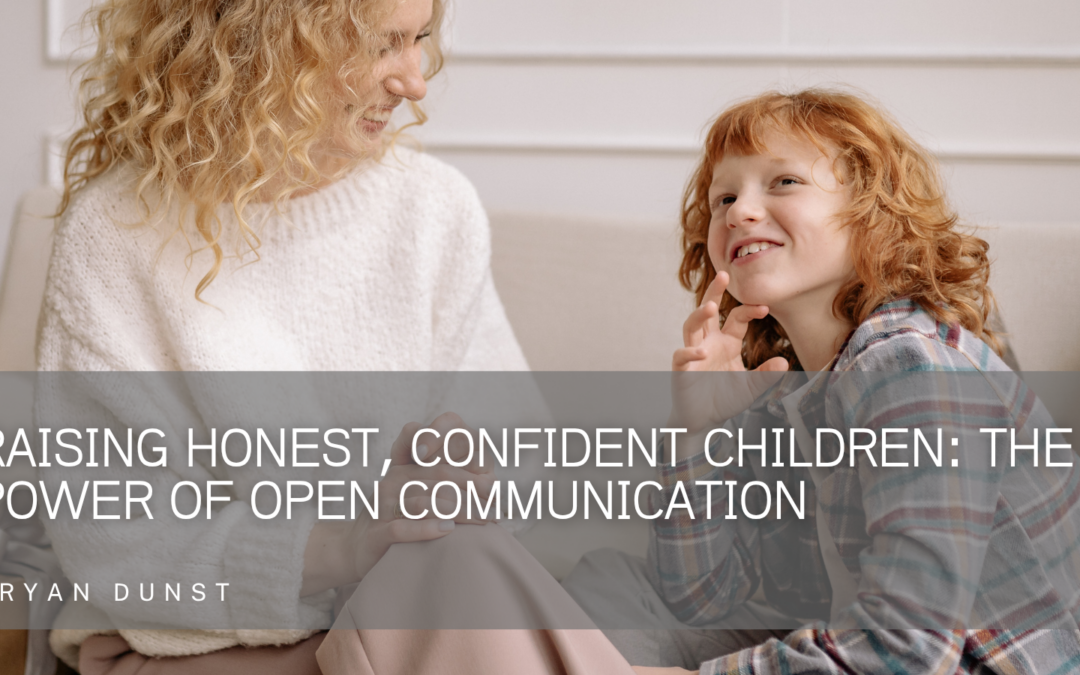
Raising children to become honest, confident individuals involves much more than teaching them the difference between right and wrong. It is about creating an environment where they feel comfortable expressing themselves, asking questions, admitting mistakes, and sharing their thoughts without fear of being judged. The way parents communicate with their children, listen to their concerns, and respond to their experiences plays a significant role in shaping how they understand themselves and interact with the world.
Make Honesty a Two-Way Street
Children learn honesty not only through instructions but also by observing the behaviour of the adults around them. When parents communicate openly, keep their promises, acknowledge their own mistakes, and approach difficult conversations with sincerity, they demonstrate what honesty looks like in everyday life.
It is equally important to make children feel that telling the truth will not automatically lead to anger or disappointment. If a child admits to making a mistake, the conversation should focus on understanding what happened, taking responsibility, and learning how to make better choices. This does not mean removing boundaries or consequences. Rather, it helps children understand that honesty is valued even when the truth is uncomfortable.
Over time, this builds an environment where children are more likely to approach their parents openly instead of hiding problems or saying what they think adults want to hear.
Listen Before You Respond
Communication is not just about what parents say; it is equally about how well they listen. Children need to feel that their thoughts, questions, and emotions are taken seriously, even when the subject may seem small or insignificant to an adult.
Making time for conversations, allowing children to finish expressing themselves, and asking thoughtful questions can encourage them to share more freely. Instead of immediately correcting, dismissing, or offering solutions, parents can first try to understand the perspective behind a child’s words.
Sometimes, a child may simply need someone to listen rather than tell them what to do. Being attentive during these moments communicates that their feelings matter and that they have a safe space to turn to when something is troubling them.
Build Confidence Through Open Conversations
Children who feel heard and respected are often more comfortable expressing their opinions, exploring their interests, and developing their own identities. Open communication helps them understand that disagreement does not have to lead to conflict and that asking questions is a natural part of learning.
Parents can encourage this by discussing everyday experiences, welcoming curiosity, and allowing children to participate in age-appropriate decisions. Conversations about friendships, school, personal challenges, and changing interests can also help children develop the confidence to communicate beyond the family environment.
Importantly, confidence does not mean always being certain or having the right answer. It means feeling comfortable enough to speak up, acknowledge uncertainty, and learn from experiences.
Lead With Understanding, Not Just Authority
Parenting naturally involves setting expectations, providing guidance, and establishing boundaries. However, these responsibilities become more meaningful when balanced with empathy and mutual respect.
Rather than expecting children to follow instructions without question, parents can explain the reasoning behind rules and encourage age-appropriate discussions. This helps children understand the values behind their choices instead of simply following directions out of fear.
It also creates opportunities to develop independent thinking, emotional awareness, and accountability. When children know they can approach their parents with difficult questions or concerns, they are better equipped to seek guidance when navigating unfamiliar situations.
Creating a Foundation That Lasts
The relationship children develop with their parents can influence how they build trust, communicate, and handle challenges throughout life. Honest conversations, attentive listening, and consistent encouragement create a foundation where children feel both supported and understood.
Raising confident children is not about ensuring they never make mistakes or question themselves. It is about giving them the confidence to speak honestly, the security to ask for help, and the freedom to grow into their own individuals. Sometimes, the most valuable parenting lesson is not what we teach through words, but what children experience every time we make them feel heard.