
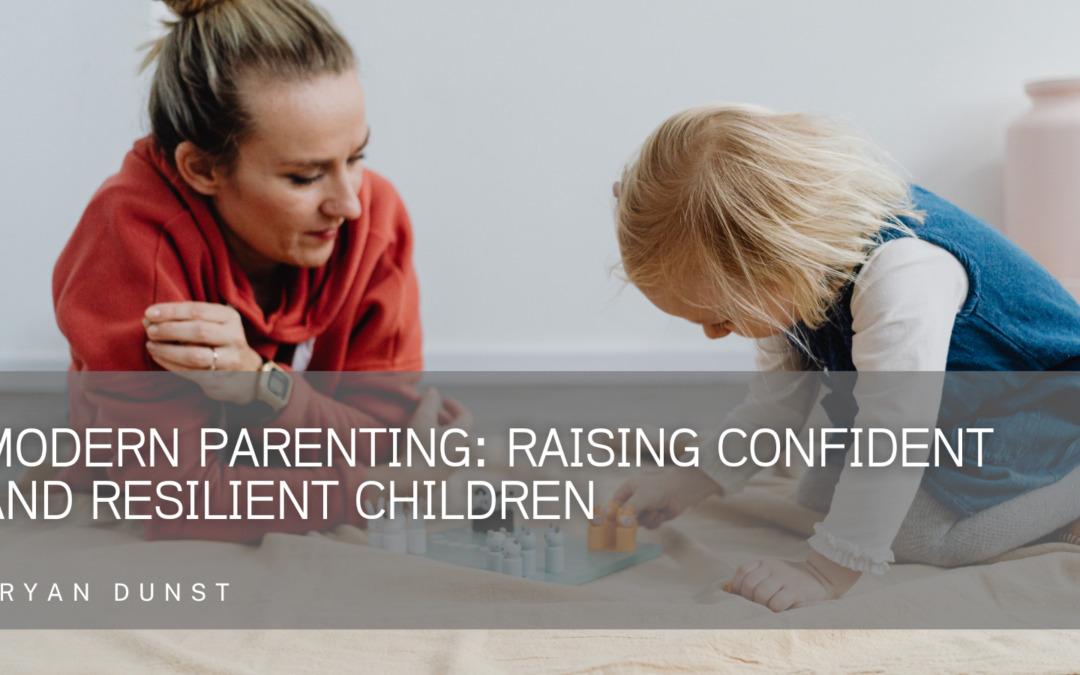
Parenting has always been one of life’s most rewarding and challenging responsibilities. In today’s fast-changing world, parents are navigating new opportunities and new pressures, from managing screen time to supporting emotional well-being and encouraging independence. Modern parenting is less about following a single philosophy and more about adapting to each child’s unique needs while creating a supportive environment where they can thrive.
Rather than striving for perfection, many families are focusing on building strong relationships based on trust, communication, and mutual respect.
Prioritizing Connection
Children flourish when they feel safe, heard, and valued. Spending quality time together, having open conversations, and showing genuine interest in a child’s thoughts and experiences help build lasting trust.
Simple everyday moments—sharing meals, reading together, or talking about the day’s events—can strengthen family bonds and encourage children to express themselves with confidence.
Encouraging Independence
Modern parenting recognizes the importance of allowing children to develop problem-solving skills and confidence through age-appropriate responsibilities. Giving children opportunities to make choices, learn from mistakes, and contribute at home helps foster independence while teaching accountability.
Supporting rather than controlling allows children to develop resilience and prepare for future challenges.
Balancing Technology and Real Life
Technology has become an integral part of childhood, offering valuable educational and creative opportunities. At the same time, maintaining a healthy balance between screen time and real-world experiences remains important.
Families can encourage balance by making time for outdoor play, hobbies, reading, creative activities, and meaningful face-to-face interactions that support healthy development and stronger family connections.
Leading by Example
Children often learn more from what parents do than from what they say. Demonstrating kindness, respect, honesty, patience, and healthy habits provides powerful examples that influence children’s behavior over time.
Parents who model resilience, effective communication, and empathy help create a positive home environment where these qualities naturally develop.
Supporting Emotional Well-Being
Emotional health is an important part of a child’s overall development. Encouraging children to express their feelings, listening without judgment, and teaching healthy ways to manage emotions can help build confidence and emotional resilience.
Creating an environment where children feel accepted and supported helps them navigate both successes and setbacks with greater confidence.
Growing Together
There is no universal blueprint for successful parenting. Every child is different, and every family has its own values, traditions, and experiences. Modern parenting is about remaining flexible, continuing to learn, and adapting as children grow and their needs evolve.
By focusing on communication, encouragement, consistency, and mutual respect, parents can build strong relationships that support lifelong learning and emotional well-being. Ultimately, the goal is not to raise perfect children but to nurture confident, compassionate, and resilient individuals who are prepared to face the future with curiosity, kindness, and self-belief.