
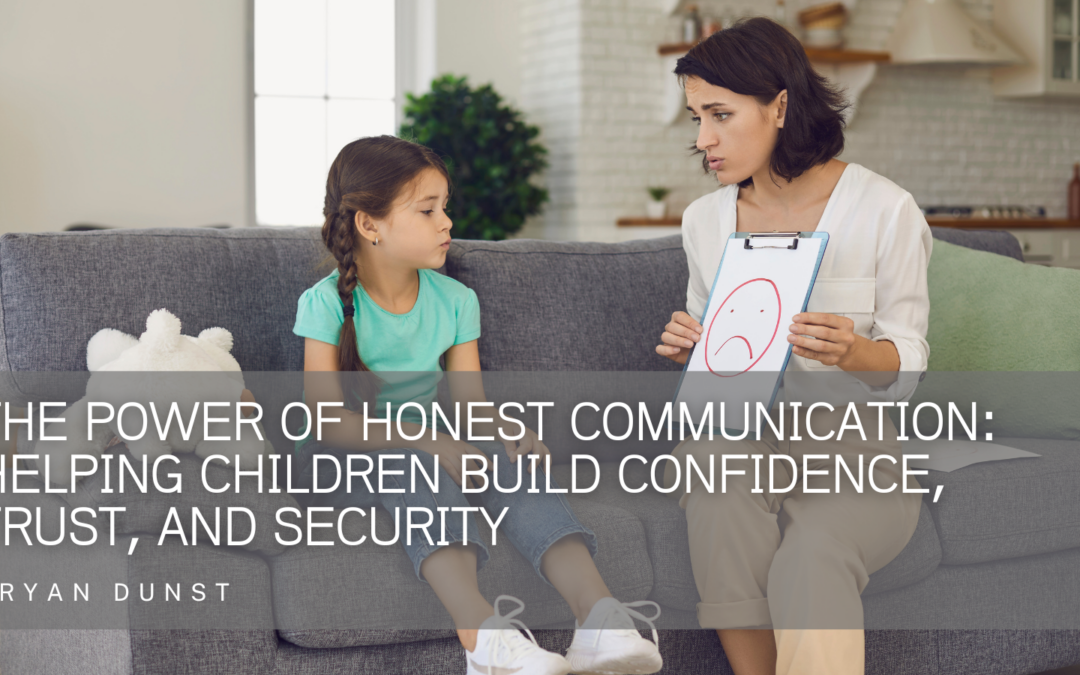
Every parent wants their child to feel safe, confident, and secure. While providing food, shelter, education, and opportunities is important, one of the most powerful gifts a parent can offer is honest and open communication. The conversations children have with trusted adults shape how they view themselves, their relationships, and the world around them. When children grow up in an environment where honesty and communication are valued, they develop a stronger sense of security that can benefit them throughout their lives.
Trust is the foundation of every healthy parent-child relationship, and trust is built through consistent, truthful communication.
Why Honesty Matters
Children are often more perceptive than adults realize. They notice changes in moods, routines, and family dynamics, even when details are not explicitly shared. When children sense that information is being hidden or avoided, they may fill in the gaps with assumptions, often imagining situations that are worse than reality.
Age-appropriate honesty helps children make sense of the world around them. It teaches them that difficult topics can be discussed openly and that they can rely on trusted adults for guidance and support.
Honesty does not mean sharing every detail of every situation. Rather, it means communicating in a way that is truthful, reassuring, and appropriate for a child’s level of understanding.
Creating Emotional Security Through Communication
Open communication gives children a safe space to express their thoughts, fears, questions, and emotions. When parents listen without judgment and respond thoughtfully, children learn that their feelings are valid and worthy of attention.
This sense of emotional safety contributes to:
- Greater self-confidence
- Stronger emotional regulation
- Healthier relationships
- Improved problem-solving skills
- Increased resilience during challenges
Children who feel heard are more likely to seek support when they encounter difficulties rather than withdrawing or struggling alone.
Teaching Confidence Through Difficult Conversations
Many parents worry about discussing challenging subjects, believing they may cause anxiety or confusion. In reality, avoiding important conversations can sometimes create greater uncertainty.
Whether discussing family changes, school challenges, mistakes, disappointments, or broader life events, honest conversations help children develop coping skills and emotional maturity. They learn that challenges are a normal part of life and that they have trusted people who will help them navigate difficult situations.
These experiences build confidence because children begin to understand that they can face uncertainty without feeling alone.
Modeling the Behavior You Want to See
Children learn communication habits by observing the adults around them. Parents who communicate respectfully, admit mistakes, and express emotions in healthy ways provide powerful examples.
When adults demonstrate honesty, accountability, and empathy, children are more likely to adopt those same qualities in their own relationships. Communication is not just something parents teach—it is something they model every day.
Building a Foundation for Life
The benefits of honest communication extend far beyond childhood. Children who grow up feeling secure in their relationships often develop stronger self-esteem, healthier friendships, and greater confidence in adulthood.
Ultimately, honest communication sends a simple but powerful message: “You are valued, you are heard, and you can trust that we will face life’s challenges together.”
That sense of trust and security becomes one of the strongest foundations a child can carry into the future.