
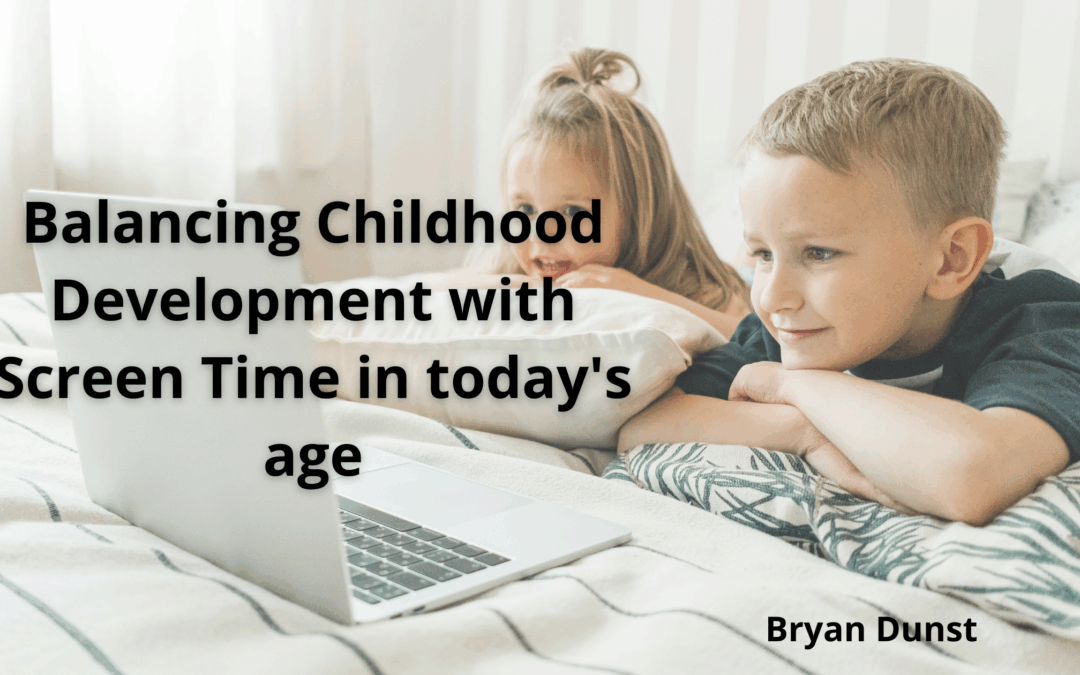
Screens are now a central part of childhood. From online learning and educational apps to entertainment and social interaction, digital devices are woven into daily life. While technology offers undeniable benefits, excessive or unstructured screen time can interfere with healthy childhood development. The challenge for modern parents is not eliminating screens, but finding a balanced approach that supports growth, learning, and emotional well-being.
Understanding the Role of Screens
Screens can be valuable tools when used intentionally. Educational programs, interactive learning platforms, and creative apps can enhance cognitive skills, literacy, and curiosity. For older children, technology also supports collaboration, research, and communication. When aligned with age-appropriate goals, screen time can complement traditional learning rather than replace it.
However, problems arise when screen use becomes passive, excessive, or unmonitored. Prolonged exposure can reduce opportunities for physical activity, face-to-face interaction, and imaginative play—all essential components of childhood development.
Why Balance Matters for Development
Childhood development relies on varied experiences. Physical movement supports motor skills and brain development. Unstructured play encourages creativity and problem-solving. Social interaction builds empathy, communication skills, and emotional regulation. When screens dominate free time, these critical experiences may be reduced.
Excessive screen time has also been linked to sleep disruption, attention challenges, and increased stress in children. Balanced routines help protect these developmental areas while still allowing children to benefit from technology.
Setting Healthy Boundaries
Effective balance begins with clear, consistent boundaries. Establishing screen-free times—such as during meals, before bedtime, or during family activities—creates structure and protects quality interaction. Predictable routines help children understand expectations and reduce conflict around device use.
Equally important is modeling behavior. Children are highly observant, and parents who demonstrate balanced screen habits reinforce healthy norms. When adults prioritize offline engagement, children are more likely to follow suit.
Prioritizing Quality Over Quantity
Not all screen time is equal. Passive scrolling or repetitive content offers limited developmental value, while interactive, educational, or creative use can be beneficial. Parents can guide children toward content that encourages learning, problem-solving, or self-expression.
Co-viewing and discussing content together further enhances understanding and critical thinking. These moments turn screen time into shared experiences rather than isolated ones.
Encouraging Offline Alternatives
Balance is easier when appealing alternatives exist. Outdoor play, reading, sports, music, and family activities provide meaningful engagement that naturally limits screen dependence. Encouraging children to explore hobbies and interests builds confidence and independence.
Conclusion
In today’s digital age, screens are unavoidable, but imbalance is not inevitable. By setting thoughtful boundaries, prioritizing quality content, and encouraging diverse experiences, parents can support healthy childhood development. When screen time is managed intentionally, technology becomes a tool—not a barrier—to raising well-rounded, resilient children.