
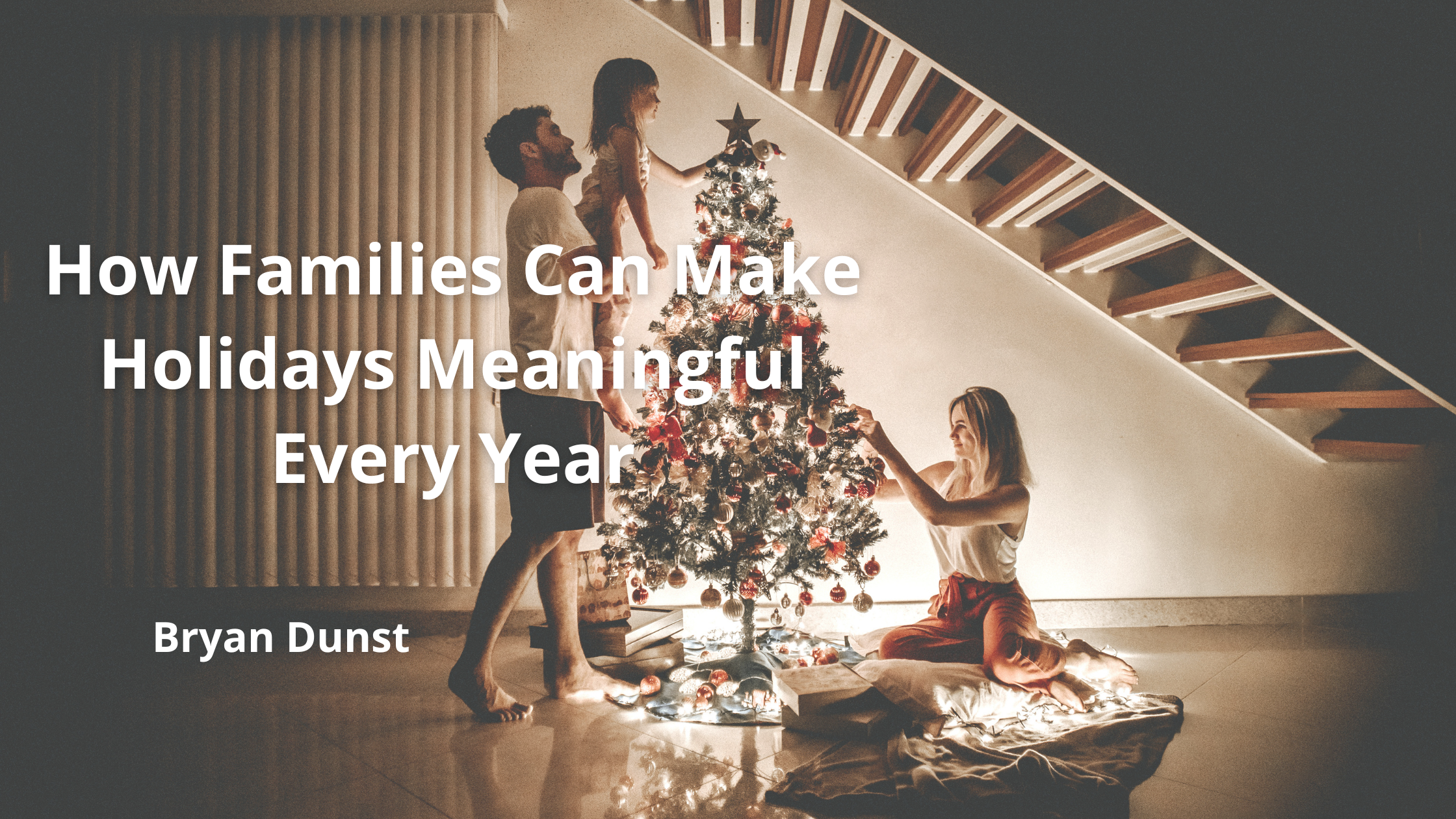
The holiday season is a time of joy, celebration, and togetherness, but in the midst of gifts, parties, and travel, it can sometimes feel rushed or repetitive. For families, the challenge is turning these moments into meaningful experiences that create lasting memories. By focusing on connection, tradition, and intentional activities, families can ensure that each holiday is not just a date on the calendar, but a celebration that resonates year after year.
1. Create Intentional Traditions
Traditions give holidays a sense of continuity and identity. Whether it’s decorating the home together, baking favorite recipes, or storytelling by the fireplace, intentional traditions allow family members to bond over shared experiences.
The key is to prioritize activities that everyone enjoys, rather than following a strict checklist. Involving children in planning can make traditions feel personal and exciting, ensuring that they look forward to them each year.
2. Focus on Experiences, Not Just Gifts
While presents are a beloved part of the holidays, experiences often leave a longer-lasting impact than material items. Families can plan outings, volunteer together, or organize small adventures that everyone can enjoy.
Examples include attending a local holiday concert, taking a nature walk, or having a family game night. These shared experiences foster laughter, conversation, and connection—moments that become stories retold for years to come.
3. Include Acts of Giving
Incorporating philanthropy into holiday routines teaches children the joy of giving and helps families contribute to their communities. Acts of giving don’t need to be elaborate; simple gestures like donating clothes or toys, preparing meals for neighbors, or writing cards to the elderly can make a profound impact.
Engaging children in these activities also reinforces values of empathy, gratitude, and social responsibility, making holidays meaningful beyond the family circle.
4. Celebrate Reflection and Gratitude
The holidays are an ideal time to pause and reflect on the year. Families can create moments to share what they are grateful for, highlight personal achievements, or recount memorable experiences.
This practice of gratitude strengthens emotional bonds, encourages positivity, and helps children appreciate the intangible aspects of family life that gifts and decorations can’t capture.
5. Adapt and Evolve
Meaningful holidays aren’t static—they grow with the family. As children mature or family circumstances change, traditions can be adjusted to remain relevant. The goal is connection, not perfection, and flexibility ensures that celebrations remain enjoyable for everyone involved.
Conclusion
Holidays are more than festive dates—they are opportunities to strengthen bonds, create memories, and pass on values. By focusing on intentional traditions, shared experiences, acts of giving, and reflection, families can make each holiday meaningful, year after year. These moments of connection and joy don’t just fill the season—they build lasting memories that shape the family for generations to come.